Two O'Clock for Everyone: The Dental Waiting Room That Ate Your Whole Afternoon
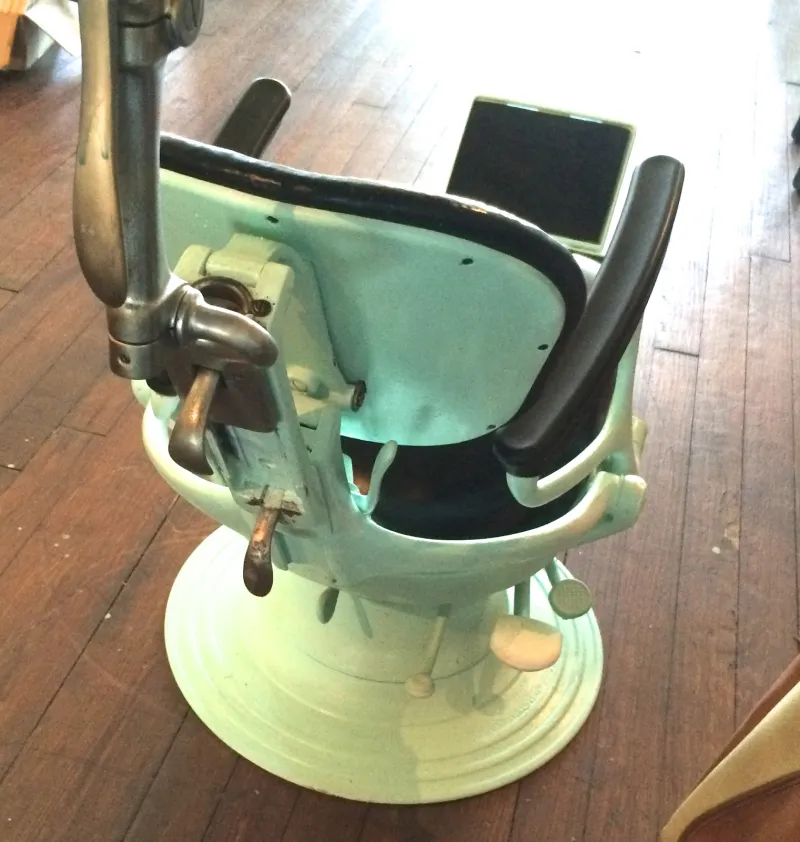
Photo: vintage dental waiting room 1960s patients chairs, via blogger.googleusercontent.com
There's a particular kind of dread that older Americans remember well. It wasn't just the drill. It wasn't just the bill. It was the hours — literal hours — spent in a vinyl chair under fluorescent lighting, flipping through a magazine from three presidents ago, wondering if your name would ever be called.
The dentist's waiting room used to be its own kind of endurance test. And the wild part? You'd done nothing wrong. You'd shown up exactly when they told you to.
When 'Appointment' Was a Polite Fiction
Through much of the mid-twentieth century, dental offices in America operated on what could generously be called a fluid scheduling model. Many practices — particularly smaller ones, which was most of them — ran what's sometimes described as a wave scheduling system. In practice, that meant clustering several patients around the same general window of time, usually mid-afternoon, and seeing whoever was ready first.
In some offices, it was even simpler than that: you called ahead, were told to come in around 2 PM, and then competed silently with four other people who had been told the exact same thing.
There were no automated reminders. No confirmation texts. No online portals where you could see your exact slot. You wrote the time on a card, stuck it on the fridge, and showed up. What happened next was largely out of your hands.
The math was brutal. If you were the third patient called, and each visit before yours ran twenty minutes long, you were looking at forty minutes of waiting before anyone even glanced at your teeth. If an unexpected root canal preceded you? Enjoy that two-hour-old copy of Reader's Digest.
The Waiting Room as a Social Institution
In a strange way, the dental waiting room became its own kind of community space. You sat among strangers who were all equally anxious, equally resigned. Parents brought their kids and tried to keep them calm. Retirees had the patience for it. Working adults quietly calculated whether they'd make it back to the office before their boss noticed.
There was no Wi-Fi. No phones to stare at. You either talked to the person next to you, read whatever magazines were stacked on the side table, or just sat with your thoughts — which, given that a dentist was waiting for you, wasn't always pleasant company.
The magazines deserve their own mention. Dental offices became notorious for their collections of outdated publications. A Sports Illustrated from last spring. A National Geographic from before your youngest was born. Nobody threw them away, and somehow nobody brought new ones either. The waiting room existed slightly outside of time.
What Actually Changed — and When
The shift toward modern appointment scheduling didn't happen overnight. Through the 1970s and into the '80s, many practices gradually moved toward more structured time-slot booking, partly out of patient pressure and partly because the administrative side of running a dental office was becoming more sophisticated. Front-desk staff started tracking schedules more precisely. Appointment cards became more specific.
But the real transformation came with digital tools. Practice management software in the 1990s allowed offices to map out their days in fifteen-minute increments, accounting for different procedure lengths and staffing needs. Suddenly, a cleaning could be booked for 10:15 AM with a reasonable expectation that it would actually start near that time.
Then came text and email reminders, which reduced no-shows dramatically and made the whole system run tighter. Online booking platforms arrived next, letting patients schedule appointments at midnight from their couch without ever speaking to a human being. Some apps now show real-time availability across multiple providers in your zip code, letting you find a cleaning slot for next Tuesday the same way you'd find a dinner reservation.
Today, a routine dental visit for most Americans is a reasonably predictable event. You arrive, you wait maybe ten minutes, you're in the chair, you're done, you're back in your car. The whole thing fits inside a lunch break.
What We Lost — and What We Gained
It's worth pausing for a moment on what that old system cost people. For hourly workers especially, a dental appointment that consumed an entire afternoon wasn't just inconvenient — it was expensive. Time away from work meant lost wages. Child care logistics multiplied. And if the wait stretched long enough, some people simply left without being seen, which meant their dental health quietly suffered.
The inefficiency wasn't neutral. It fell hardest on people who had the least flexibility.
Modern scheduling hasn't solved every problem in American dental care — access, cost, and insurance coverage remain genuinely complicated issues. But the raw time burden has shrunk dramatically. What once required surrendering a significant chunk of your day is now, for most people, a manageable errand.
Somewhere along the way, the dentist stopped being an event you had to brace for and became something closer to a routine. The waiting room is still there. It's just not swallowing your whole afternoon anymore.