The Medicine Cabinet Emergency That Shut Down Your Tuesday: How Getting Pills Used to Mean Playing Doctor Roulette
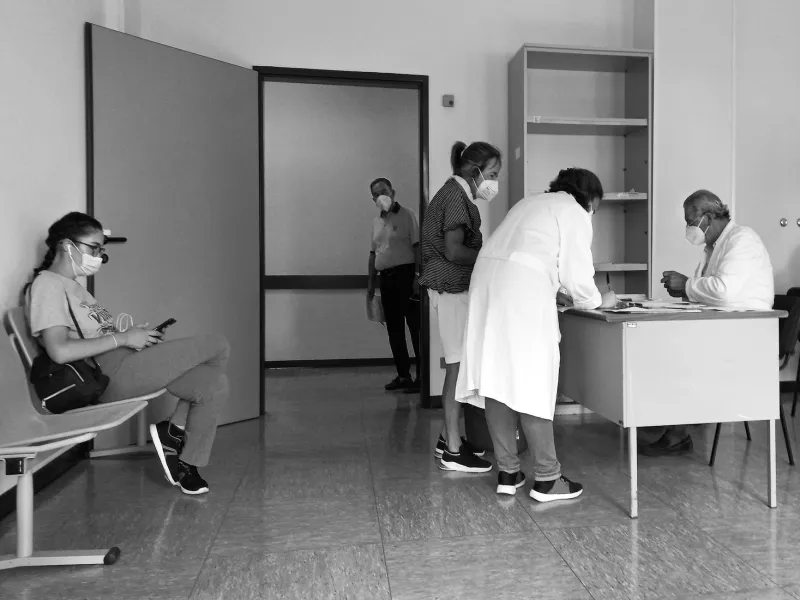
The Tuesday Morning Panic
You're standing in your bathroom, holding an empty prescription bottle, and suddenly Tuesday becomes a disaster. This wasn't 1985 or even 1995 — this scenario played out in American medicine well into the 2000s. Running out of routine medication meant one thing: you were about to lose half your day to the healthcare system.
The ritual was always the same. First, you'd call your doctor's office, hoping to speak to an actual human being. After navigating a phone tree that seemed designed by someone who hated sick people, you'd reach a receptionist who would inform you that Dr. Johnson couldn't simply call in a refill. You needed an appointment.
 Photo: Dr. Johnson, via samueljohnsonbirthplace.org.uk
"But it's the same blood pressure medication I've been taking for three years," you'd plead.
"I'm sorry, but the doctor needs to see you first."
The Appointment Shuffle
Scheduling that appointment was its own special torture. If you were lucky, they might have a slot next Tuesday. More likely, you'd be looking at the following week. Meanwhile, your medication supply was dwindling, creating a countdown timer that added genuine stress to an already stressful situation.
Smart patients learned to start this process when they had about ten pills left. Rookie mistake was waiting until you had three.
Once you secured an appointment, you faced the next challenge: actually getting time off work. Explaining to your boss that you needed two hours off to get a prescription refill for a medication you'd been taking without incident for years felt absurd, but it was the reality of American healthcare.
The Waiting Room Time Warp
Doctor's offices in the pre-digital era operated on what scientists now call "healthcare time" — a mysterious dimension where 2:30 PM appointments routinely began at 4:15 PM. You'd sit in a waiting room filled with People magazine from 1997, watching the clock tick away your afternoon, wondering if your boss believed you when you said this would only take an hour.
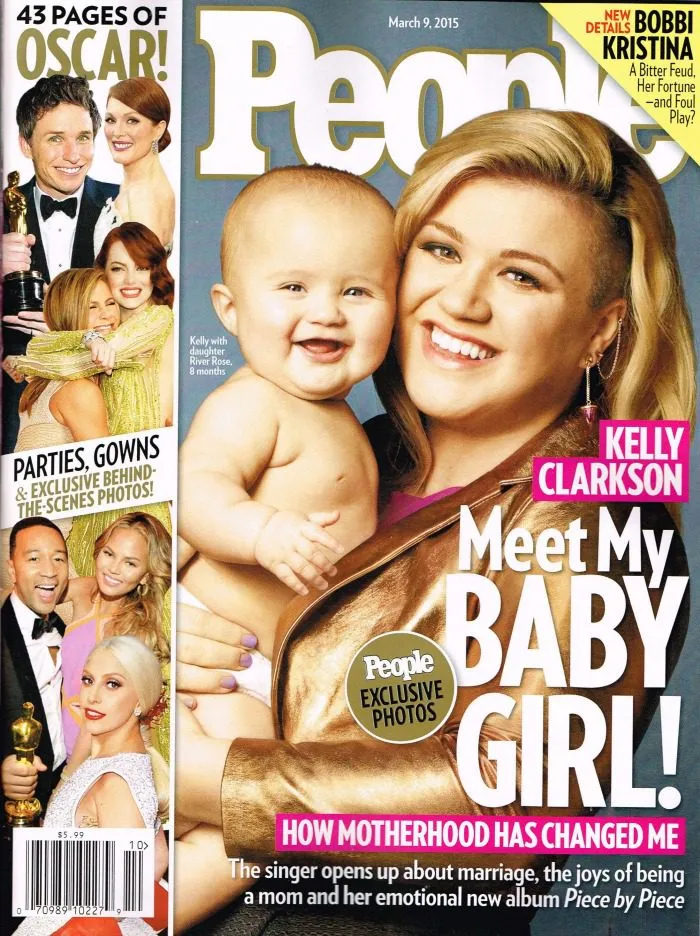 Photo: People magazine, via honestlyjamie.com
The actual appointment lasted about ninety seconds. Your doctor would check your blood pressure, ask how you were feeling, and write out a prescription for the exact same medication at the exact same dosage you'd been taking. Sometimes they'd throw in a lecture about eating less salt, just to justify the visit.
Then came the final insult: driving to the pharmacy and waiting another thirty minutes while they filled a prescription for medication they'd filled for you dozens of times before.
The Pharmacy Paper Trail
Pharmacies operated like medieval guilds, guarding their prescription pads like state secrets. Everything was handwritten, filed in physical folders, and cross-referenced against insurance cards that looked like they'd been designed in 1973. Pharmacists would squint at doctors' handwriting, trying to decode whether that scribble said "Lipitor" or "Lisinopril."
If you were traveling and needed a refill, you were essentially out of luck. Your prescription records lived in one specific pharmacy, tied to one specific doctor, in one specific town. Running out of medication while visiting family in another state meant finding an urgent care center and explaining your entire medical history to a stranger.
The Digital Revolution
Today's prescription renewal process would seem like witchcraft to someone from 2005. Open an app, tap "refill," and your medication appears at your door two days later. No appointment, no waiting room, no time off work, no explanation to anyone.
Many Americans now get 90-day supplies of routine medications delivered automatically before they run out. The system tracks your usage patterns and predicts when you'll need more pills, eliminating the possibility of running out entirely.
Telehealth visits let you video chat with a doctor from your car during lunch break. Electronic health records mean any pharmacy can access your prescription history instantly. Insurance approvals that once took days now happen in real-time.
The Friction That Disappeared
The transformation reveals how much unnecessary friction once existed in basic healthcare tasks. Getting routine medication required navigating multiple systems that didn't communicate with each other, all designed around the convenience of healthcare providers rather than patients.
Millions of Americans once structured their work schedules around prescription renewals. People rationed pills when they couldn't get appointments quickly enough. Chronic conditions went untreated because the process of maintaining medication was simply too difficult.
Beyond Convenience
This wasn't just about convenience — it was about access to life-saving medication. The old system created real barriers that prevented people from staying healthy. Lower-income workers who couldn't afford to take time off work would skip doses or stretch prescriptions dangerously thin.
Today's streamlined process has probably prevented thousands of heart attacks, strokes, and other complications that occurred when people couldn't maintain their medication schedules.
The next time you tap "refill" on your phone and have medication delivered to your door, remember the millions of Americans who once had to choose between their health and their job just to get the pills that kept them alive.