The Simple Refill That Wasn't Simple at All
Your blood pressure medication is running low. Today, you tap a few buttons on your phone, and a fresh bottle appears at your doorstep within 48 hours. In 1995, that same scenario would have triggered a logistical nightmare that could easily consume two weeks of your life.
Before online pharmacies and automatic refills transformed American healthcare, getting a routine prescription renewed was an exercise in patience that would make modern consumers revolt. The process began with a phone call to your doctor's office, where you'd navigate a busy signal maze that could take hours to penetrate. Once you finally reached a human, you'd learn that Dr. Miller couldn't simply call in a refill for your heart medication — you needed an appointment.
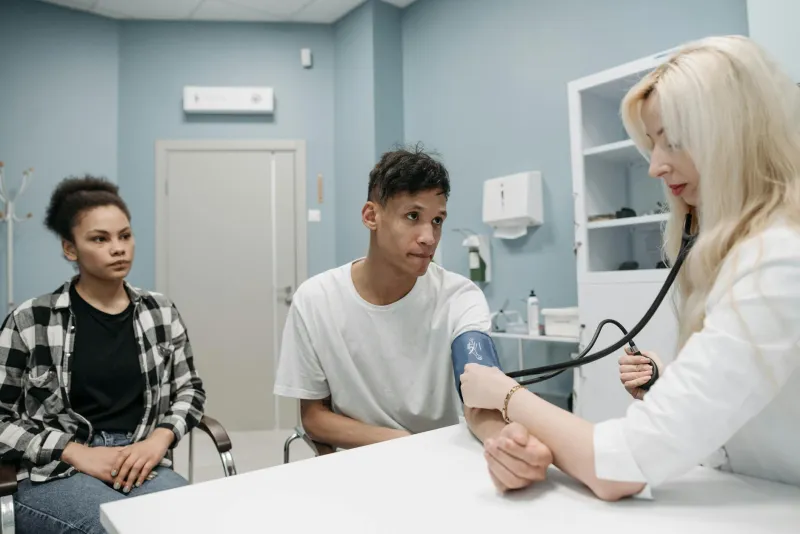
 Photo: Dr. Miller, via images.squarespace-cdn.com
The earliest available slot? Three weeks out. And no, they couldn't accommodate your work schedule.
When Pharmacies Held Your Health Hostage
Assuming you managed to secure that precious appointment, you'd then face the waiting room gauntlet. Arriving on time meant nothing in an era when doctors routinely ran 45 minutes behind schedule. You'd burn through your lunch break, then your afternoon meetings, watching the clock tick while thumbing through magazines from the Clinton administration.
 Photo: Clinton administration, via www.clintonlibrary.gov
After your five-minute consultation — during which the doctor would confirm that yes, you still needed the same medication you'd been taking for three years — you'd receive a handwritten prescription slip. This small piece of paper became your most valuable possession, because losing it meant starting the entire process over.
Next stop: the pharmacy counter, where another layer of friction awaited. The pharmacist would squint at the doctor's handwriting, occasionally calling back to clarify whether that scribble said "50mg" or "500mg." If your medication wasn't in stock — and specialty drugs often weren't — you'd return home empty-handed with a promise that it might arrive "sometime next week."
The Hidden Cost of Healthcare Friction
This bureaucratic obstacle course had real consequences beyond inconvenience. Americans frequently went without necessary medications simply because the renewal process was too cumbersome. Heart patients skipped doses while waiting for appointments. Diabetics rationed insulin when prescription renewals fell through cracks in the system.
Working parents faced impossible choices between attending a child's school play and maintaining their blood pressure medication. Small business owners couldn't afford to close shop for half a day just to get a routine prescription renewed. The elderly, often managing multiple medications, found themselves trapped in an endless cycle of appointments and pharmacy visits.
The system was particularly cruel to people with chronic conditions requiring regular monitoring. A simple thyroid medication adjustment could trigger months of back-and-forth visits, blood tests, and prescription modifications — each step requiring another day off work and another co-pay.
The Technology That Changed Everything
Today's streamlined prescription management would seem magical to Americans from the 1990s. Electronic health records eliminated the guessing game around handwritten prescriptions. Automated refill programs ensure medications arrive before you run out. Telehealth consultations let doctors approve routine renewals without requiring office visits.
Most revolutionary of all: prescription apps that track your medications, remind you when supplies are running low, and connect directly with your doctor for approval. The entire process that once required multiple phone calls, time off work, and considerable stress now happens automatically in the background of your life.
Insurance companies, once notorious for requiring prior authorization paperwork that could delay medications for weeks, now often approve routine refills instantly through electronic systems. Pharmacies text you when prescriptions are ready and offer same-day delivery in many cities.
What We Gained and Lost
The efficiency gains are undeniable, but something was lost in the transition. The old system, for all its flaws, required regular face-to-face contact between patients and healthcare providers. Doctors knew their patients' faces, remembered their family situations, and caught health changes that might go unnoticed in today's more automated system.
The friction that made prescription renewals such a hassle also served as an early warning system. Patients who suddenly stopped picking up heart medications would trigger concerned calls from pharmacists who knew their customers personally. Today's efficient systems can sometimes be too efficient, allowing people to slip through cracks that didn't exist when everything required human intervention.
Still, few Americans would choose to return to the days when a routine prescription renewal could derail an entire week. The transformation from healthcare obstacle course to smartphone convenience represents one of the most dramatic quality-of-life improvements of the past three decades — even if we barely notice it happening in the background of our daily lives.