When Missing Your Favorite Song on the Radio Meant Waiting Days to Hear It Again
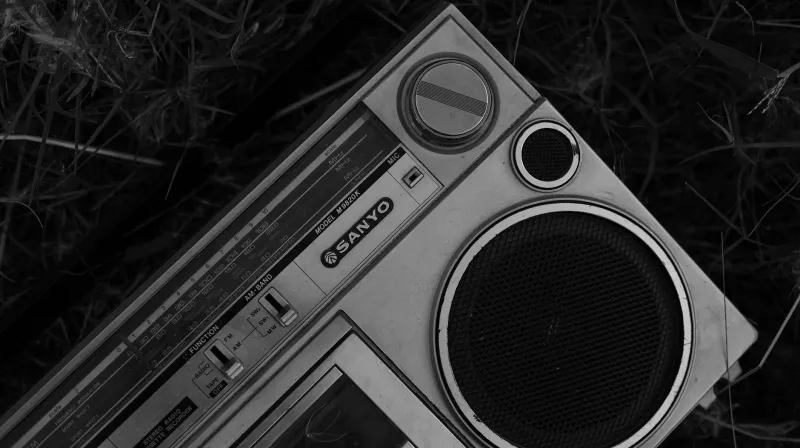
The Great Radio Vigil
Picture this: You're driving to work in 1987 when that new song comes on — the one that's been stuck in your head for weeks. But just as the chorus hits, you arrive at your destination. You turn off the car, and the music dies with it. Your only hope? That the DJ will play it again before your evening commute.
This was reality for American music lovers for decades. Before streaming services put millions of songs at our fingertips, hearing your favorite track required patience, luck, and sometimes elaborate planning. Music wasn't something you controlled — it was something that happened to you.
The DJ Was Your Musical Gatekeeper
Radio disc jockeys wielded unprecedented power over America's soundtrack. They decided what you heard, when you heard it, and how often. Popular songs might get heavy rotation, playing every few hours on major stations. But that deep cut from your favorite album? You might wait weeks between plays.
Fans developed sophisticated strategies. They'd call radio stations with requests, though getting through busy phone lines was its own challenge. Some people kept blank cassette tapes ready by their radio, finger poised over the record button, hoping to capture lightning in a bottle when their song finally played.
The most dedicated listeners memorized DJ schedules and station formats. They knew that the morning show played more hits, while late-night slots might feature album tracks and new releases. Weekend specialty shows became appointment listening — your only chance to hear genres that didn't fit mainstream formats.
When Music Shopping Was Actual Shopping
Wanting to own a song meant a trip to the record store, and that came with its own complications. You might drive across town only to find your desired album out of stock. Worse, you'd sometimes buy an entire album for one song, gambling $15 on tracks you'd never heard.
Record stores became cultural hubs where clerks served as musical curators. These gatekeepers could make or break your musical discovery, recommending albums based on brief conversations about your taste. Getting good advice meant building relationships with staff who understood your preferences.
Singles offered a cheaper alternative, but finding them required even more luck. Popular singles sold out quickly, and restocking could take weeks. Many Americans have memories of checking multiple stores for that one 45 RPM record that seemed to exist everywhere except where they were shopping.
The Shared Soundtrack Experience
This scarcity created something we've largely lost: a truly shared musical culture. When only a limited number of songs received regular radio play, most Americans heard the same music. Office water cooler conversations naturally turned to whatever song dominated the airwaves that week.
Car rides became democratic music experiences by necessity. Passengers couldn't retreat into personal playlists — everyone heard whatever the driver's radio provided. This forced musical compromise and discovery. You might hate country music, but if you were riding with someone who loved it, you'd absorb it anyway.
Weddings, parties, and social gatherings featured predictable soundtracks because hosts could only rely on songs most guests would recognize. DJs at events wielded similar power to radio personalities, reading crowds and building energy through carefully timed musical choices.
The Art of Musical Patience
Waiting for songs taught a form of delayed gratification that's nearly extinct today. That anticipation — hearing the opening notes of a long-awaited track — created emotional peaks that instant access can't replicate. The song felt earned, special, worth the wait.
Many Americans developed almost supernatural timing, somehow arriving at their car just as their favorite song began. Others perfected the art of lingering — staying in parking lots or driveways until a song finished, unwilling to break the spell.
Radio became a communal experience in ways we barely remember. Families gathered around kitchen radios during breakfast, sharing whatever the morning DJ decided to play. Road trips meant negotiating between stations as you drove across regional boundaries, discovering how musical tastes shifted with geography.
What We Gained and Lost
Today's music landscape offers unprecedented control and variety. Spotify's 100 million songs dwarf the largest record collections of the past. We can hear any song instantly, create perfect playlists, and discover new music through sophisticated algorithms.
But something disappeared in this transformation. Music became less communal, more individualized. We lost those shared moments when everyone heard the same songs at roughly the same time. The water cooler conversations about this week's hot new track became harder to have when everyone's listening to different things.
The anticipation that made hearing your favorite song feel like winning a small lottery? That's gone too. When everything is instantly available, nothing feels particularly special. We gained control but lost the magic of musical serendipity.
The End of Musical Appointment Television
The old system seems almost quaint now — waiting for songs like they were television shows with fixed schedules. But for decades, this is how Americans experienced music: as something that happened to them rather than something they controlled.
That shift from passive to active music consumption changed more than just how we hear songs. It changed how we relate to patience, anticipation, and shared cultural experiences. We traded the frustration of missing our favorite song for the luxury of hearing it anytime — and most of us would never go back.