When Flying Meant Getting Dressed Up and Hoping the Plane Didn't Run Out of Food
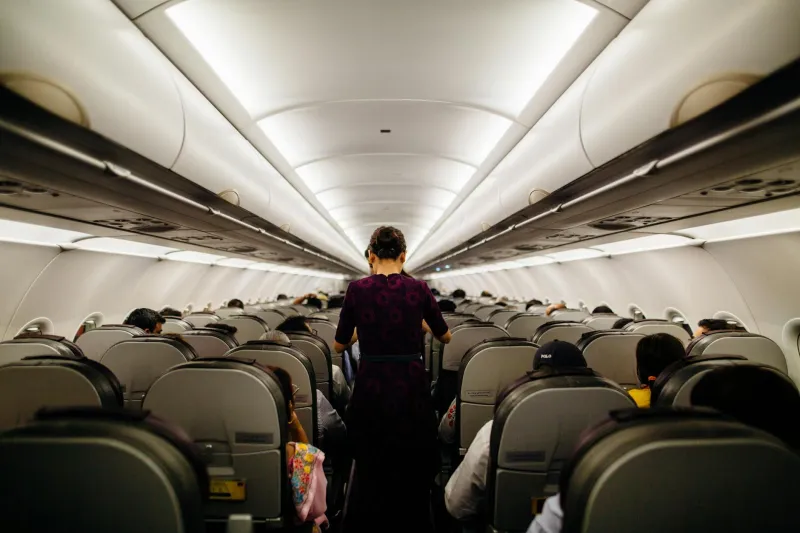
Picture this: You're boarding a flight from New York to Los Angeles in 1955. You're wearing your finest suit or dress—anything less would be considered disrespectful to your fellow passengers and the airline staff. The ticket in your hand cost you $4,500 in today's money, roughly equivalent to a decent used car.
As you settle into your spacious seat (yes, every seat had legroom), a uniformed stewardess—they weren't called flight attendants yet—offers you a cocktail and a hot towel. The meal service that follows would put most modern restaurants to shame: real silverware, cloth napkins, and a multi-course dinner served on actual china.
This was the golden age of commercial aviation, when flying was less about getting from Point A to Point B and more about the experience itself.
When Air Travel Was Theater
In the 1950s and 1960s, stepping onto an airplane was like entering an exclusive club. Airlines marketed themselves as luxury experiences, and passengers dressed accordingly. Men wore suits and ties, women donned their best dresses and heels. Children were dressed in their Sunday finest.
The aircraft themselves were designed like flying hotels. Pan Am's Boeing 707s featured piano bars and sleeping berths on international routes. TWA's constellation aircraft had separate dining rooms. Even domestic flights included full meal service with multiple courses, regardless of flight duration.
Stewardesses (the job was exclusively female and came with strict appearance requirements) were trained more like hospitality professionals than safety officers. They carved roast beef tableside, mixed cocktails, and even helped passengers with their correspondence during long flights.
The Price of Prestige
But this glamour came at a cost that would shock modern travelers. A round-trip ticket from New York to Los Angeles in 1955 cost about $4,500 in today's dollars—more than most people's monthly salary. Flying was genuinely reserved for the wealthy, business executives, and special occasions.
The Civil Aeronautics Board strictly regulated airline pricing, preventing competition and keeping fares artificially high. Airlines couldn't compete on price, so they competed on service and amenities instead. This created an arms race of luxury that defined the era.
Only about 3% of Americans had ever been on an airplane by 1955. Compare that to today, when the average American takes more than two flights per year.
When Meals Were Mandatory (And Actually Good)
Perhaps nothing illustrates the difference more than airline food. In the 1960s, airlines employed actual chefs and served meals that passengers genuinely looked forward to. Pan Am's first-class service included dishes like Beef Wellington and Lobster Thermidor, prepared in onboard galleys by trained cooks.
Even coach passengers—though the term didn't really exist yet since most passengers flew what we'd consider first class—received elaborate meals. A typical cross-country flight might serve a shrimp cocktail appetizer, choice of three entrees, wine, and a dessert cart.
The catch? Sometimes the plane ran out of food. With no just-in-time inventory systems or sophisticated demand forecasting, airlines often overbooked meals or underestimated passenger preferences. Running out of the chicken option wasn't just inconvenient—it was genuinely embarrassing for the airline.
The Democratization Trade-Off
Today's flying experience would be unrecognizable to those 1950s passengers. You can book a cross-country flight for under $200—sometimes less than a nice dinner for two. Airlines carry over 4 billion passengers annually worldwide, compared to just 31 million in 1955.
But this accessibility came with trade-offs that even the most forward-thinking aviation pioneers couldn't have predicted. Seats shrunk from an average of 34 inches of pitch to today's 28-30 inches. Meals disappeared on most domestic flights, replaced by $12 sandwiches and tiny bags of pretzels. The spacious terminals of the jet age gave way to crowded gates and security lines.
The formal dress code vanished too. Today's passengers board in pajamas, flip-flops, and athletic wear—attire that would have gotten you denied boarding in 1960.
What We Gained and Lost
The transformation of air travel reflects a broader shift in American values. We chose accessibility over exclusivity, efficiency over experience, and democratization over luxury. A working-class family can now afford to fly to Disney World for vacation—something unthinkable in the golden age of aviation.
Yet something intangible was lost in translation. Flying used to be an event, a milestone worth celebrating and dressing up for. Today, it's often just another form of public transportation, complete with all the frustrations that entails.
The next time you're crammed into a middle seat, eating a $15 airport sandwich while wearing sweatpants, remember: your great-grandmother would have considered your $99 ticket to anywhere in America nothing short of miraculous. She just might not have recognized the experience as flying at all.