When Your Cashier Knew Your Name and Asked About Your Kids
The Familiar Face Behind Register Three
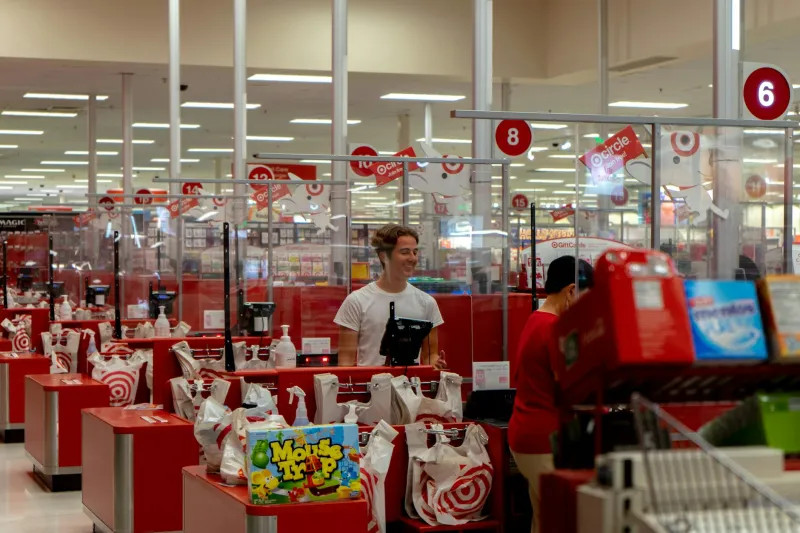
Walk into any American grocery store in 1985, and you'd likely encounter Margaret at register three. She'd been working the same shift for eight years, knew that Mrs. Johnson always bought the sugar-free cookies for her diabetic husband, and would ask the Miller family how their son was doing at State. The checkout line wasn't just a transaction—it was a brief social ritual that connected neighbors in ways we barely remember today.
Margaret didn't just scan your items. She'd comment on your choice of pasta sauce, mention that the store had a sale on the cereal your kids liked, and carefully pack your eggs so they wouldn't crack on the drive home. If you forgot your wallet, she might let you slide until next time. If you looked stressed, she'd crack a joke about the weather or compliment your jacket.
This wasn't exceptional customer service—it was simply how grocery shopping worked for most of the 20th century.
The Death of Small Talk
Today's grocery experience tells a different story entirely. Self-checkout machines dominate floor space in major chains, processing transactions with mechanical efficiency. Tap your card, scan your items, bag them yourself, and leave. The entire process can happen without speaking to another human being.
When human cashiers do remain, they're often part-time workers juggling multiple jobs, scanning items at speeds that would have amazed Margaret while simultaneously monitoring self-checkout stations. The pressure to process customers quickly leaves little room for the casual conversations that once defined the checkout experience.
Contactless payment has accelerated this shift. Apple Pay, Google Wallet, and tap-to-pay cards eliminate even the brief moment when cashier and customer would exchange cash or cards. The transaction happens at arm's length, often while customers are already gathering their bags to leave.
Technology's Promise vs. Reality
The technology isn't inherently problematic. Self-checkout reduces labor costs and can speed up the shopping process for customers buying just a few items. Mobile payment systems offer genuine convenience, especially during busy periods or when handling exact change would slow things down.
Grocery delivery apps like Instacart and Amazon Fresh have taken efficiency even further. Why endure checkout lines at all when someone else can shop for you? These services exploded during the pandemic and have maintained strong user bases as people discovered the appeal of avoiding grocery stores entirely.
But something was quietly lost in this march toward frictionless commerce. The grocery store checkout was one of the few remaining spaces where Americans from different backgrounds regularly interacted, even briefly. Your cashier might be a college student saving for tuition, a retiree earning extra income, or someone working their way through a career transition. These brief exchanges created tiny threads of community connection.
The Ripple Effects of Efficiency
The transformation extends beyond just checkout technology. Store layouts have changed to accommodate self-service models. Traditional checkout lanes with conveyor belts and bagging areas have been replaced by compact self-scan stations. The physical design now assumes customers will handle most of the work themselves.
Staff training has shifted accordingly. Where cashiers once learned customer service skills and product knowledge, today's grocery workers are more likely to be trained on loss prevention and technical troubleshooting. They're watching for theft at self-checkout stations rather than building relationships with regular customers.
Even the pace of shopping has accelerated. When checkout involved human interaction, there was a natural rhythm to the process. Customers would unload their carts while chatting, wait patiently as items were scanned and bagged, and take time to organize their receipts and bags. Today's self-checkout creates pressure to move quickly and efficiently, turning grocery shopping into a task to be completed rather than an experience to be enjoyed.
What We Gained and Lost
The benefits of modern grocery technology are undeniable. Shorter wait times, 24-hour shopping options, and the ability to avoid human interaction when you're not in the mood for small talk. During the pandemic, contactless systems provided genuine safety benefits that likely saved lives.
But we've also lost something harder to quantify. The grocery store was one of the few places where brief, low-stakes social interactions happened naturally. Your cashier might be the only person you spoke to on a particular day. For elderly customers especially, these brief conversations provided important social contact.
The neighborhood grocery store once functioned as an informal community center. Regular customers would run into each other in the aisles and catch up on local news. Cashiers served as informal neighborhood ambassadors, connecting customers with shared interests or circumstances.
The Future of Retail Connection
Some grocery chains are experimenting with hybrid approaches that preserve efficiency while maintaining human connection. Wegmans and Publix have maintained full-service checkout options alongside self-scan stations. Trader Joe's has resisted self-checkout entirely, viewing cashier interaction as part of their brand identity.
Amazon's "Just Walk Out" technology represents the logical endpoint of frictionless shopping—stores where customers can simply take items and leave, with charges appearing automatically on their accounts. No checkout process at all.
Whether this represents progress or loss depends largely on what we value. Efficiency and convenience, or the small moments of human connection that once made routine errands feel slightly less routine.
The grocery checkout line may seem like a trivial place to mourn social change. But it was one of the last remaining spaces where brief, genuine human interaction was simply part of how things worked. Before we now know a world where shopping happens in silence, we lived in one where buying groceries meant briefly connecting with our neighbors—even if we never learned their names.