Your Cousin in California Needed $200, So You Spent $50 and Three Days Hoping It Would Get There
The Emergency Call
The phone rings at 9 PM. It's your cousin Sarah calling from San Francisco, and you can hear the stress in her voice. Her car broke down, she's stuck at a mechanic's shop, and she needs $300 for repairs. She'll pay you back next week when her paycheck clears.
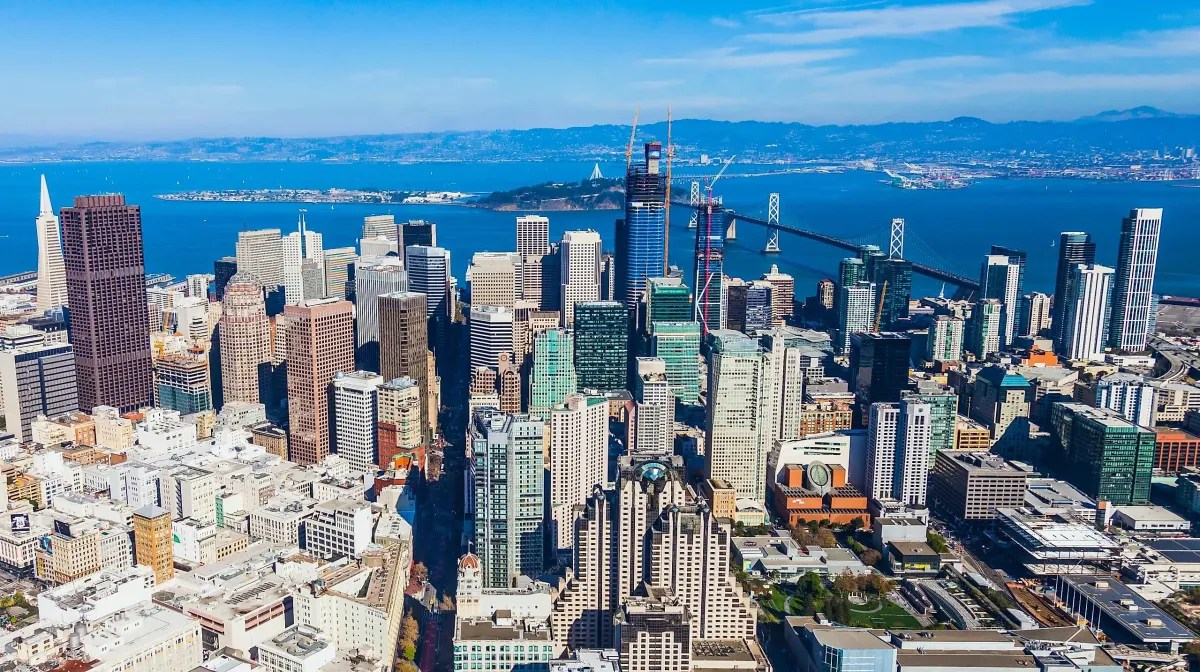 Photo: San Francisco, via www.worldatlas.com
In 2024, you'd open Venmo, type in $300, and tap send. The money would arrive in her account before you hung up the phone. But in 1995, that phone call triggered a multi-day odyssey through America's primitive money transfer system.
The Western Union Pilgrimage
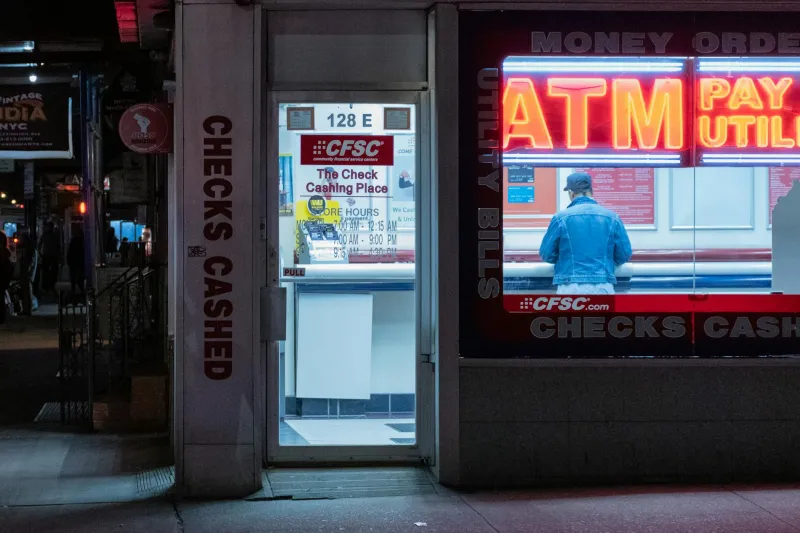
First, you had to find a Western Union location. This meant driving to the grittiest part of town, usually to a check-cashing store wedged between a pawn shop and a liquor store. These places always felt vaguely criminal, with bulletproof glass, harsh fluorescent lighting, and customers who looked like they were conducting business they'd rather keep private.
 Photo: Western Union, via 1000logos.net
The Western Union agent would slide a paper form across the counter. You'd fill out Sarah's full name, her exact address, and the amount you wanted to send. Then came the moment of truth: the fee structure.
Sending $300 to California cost about $25 — nearly 10 percent of the total. For smaller amounts, the percentage was even worse. Sending $50 might cost $12 in fees, making it cheaper to just mail cash and hope for the best.
The Anxiety of the Unknown
After paying the fee and handing over your cash, you'd receive a confirmation number written on a carbon-copy receipt. The agent would tell you it would take "one to three business days" for the money to arrive, but nobody really knew for sure. The system was a black box that operated on faith and prayer.
You'd call Sarah the next day: "Did it arrive yet?"
"No, nothing."
Day two: "How about now?"
"Still nothing. Are you sure you sent it?"
By day three, you'd start wondering if your $300 had vanished into the ether. Western Union's customer service consisted of calling a number that played hold music for thirty minutes before disconnecting.
The Pickup Ritual
When the money finally arrived, Sarah had to perform her own ritual. She'd drive to a Western Union location in San Francisco, wait in line behind people conducting equally mysterious financial transactions, and present her ID along with the confirmation number you'd given her over the phone.
The agent would ask her security questions: "What's the sender's address? What's the amount being sent?" Get one detail wrong, and she'd be turned away. Many transfers sat unclaimed for days because of minor discrepancies in names or addresses.
The Mail Alternative
Some people skipped Western Union entirely and just mailed personal checks. This was cheaper but even riskier. You'd write a check, stick it in an envelope, and hope the postal service would deliver it safely. Then you'd wait for your cousin to deposit the check and wait another three to five business days for it to clear.
Mailing cash was the fastest option but felt like throwing money into a volcano. Everyone had stories of envelopes that never arrived, leaving both sender and recipient wondering if the money was stolen by a postal worker or simply lost in the system.
The Bank Wire Option
For larger amounts, banks offered wire transfers, but these came with their own complications. You had to visit a branch during business hours, fill out forms that required the recipient's full banking information, and pay fees that made Western Union look reasonable.
International wires were even worse, sometimes taking a week and costing $50 or more in fees. Sending money to family abroad was so expensive and unreliable that many immigrants would physically carry cash when they visited home.
The Digital Revolution
PayPal arrived in 1998 but initially focused on eBay transactions. It took years before ordinary Americans trusted online money transfers for personal use. Early digital payment services were clunky, expensive, and required both parties to have accounts with the same company.
Venmo launched in 2009 but didn't reach mainstream adoption until the mid-2010s. The idea that you could instantly send money using someone's phone number seemed too good to be true to people who'd grown up with Western Union.
Today's payment apps handle billions of dollars in transfers that happen instantly, with fees measured in pennies rather than percentages. Zelle, built into most banking apps, makes transfers between different banks as easy as sending a text message.
The Social Revolution
Instant money transfers have changed how Americans relate to each other financially. Splitting restaurant bills, paying back borrowed money, or helping family members in emergencies no longer requires planning and anxiety.
The friction that once existed around money transfers created real barriers in relationships. People would avoid borrowing small amounts because the hassle of repayment was too great. Helping family members required significant effort and expense.
The Hidden Costs of Friction
The old system didn't just cost money — it cost relationships. How many family emergencies went unresolved because sending money was too difficult? How many friendships were strained because paying someone back took three days and cost $15 in fees?
Lower-income Americans were hit hardest by the old system. They were more likely to need emergency money transfers and less likely to have bank accounts that offered wire services. The people who could least afford Western Union's fees were the ones most dependent on the service.
The Invisible Infrastructure
Today's instant payments work so seamlessly that most people don't think about the infrastructure behind them. When you tap send on Venmo, your transaction flows through a network of banks, clearinghouses, and payment processors that settle accounts in real-time.
This infrastructure didn't exist twenty-five years ago. Building it required decades of investment in technology, regulations, and security systems that make instant transfers both possible and safe.
The next time you instantly send money to a friend who picked up your coffee tab, remember the millions of Americans who once planned their financial emergencies around Western Union's business hours and hoped their money would arrive before the crisis got worse.