When Calling Your College Roommate in Another State Could Wreck Your Budget
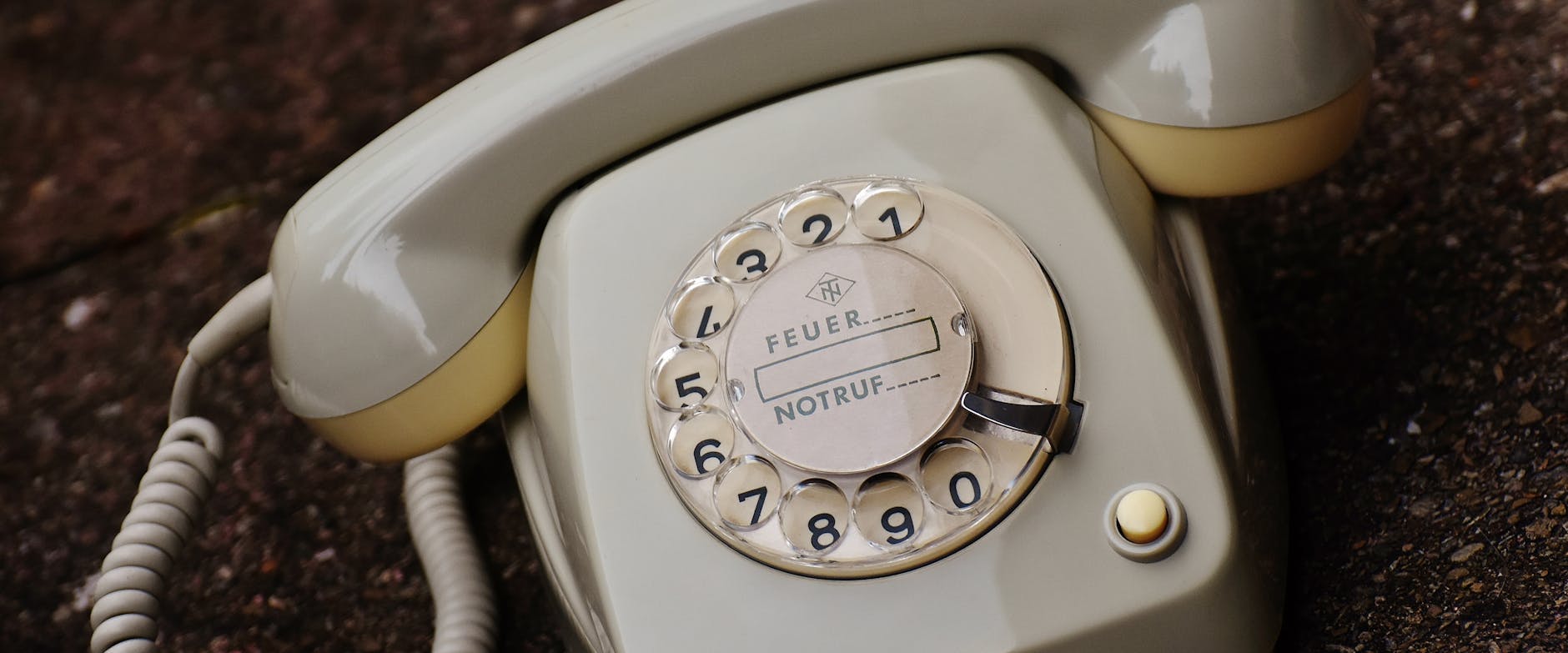
When Calling Your College Roommate in Another State Could Wreck Your Budget
There's a particular kind of phone call that younger Americans have never experienced and older ones have mostly forgotten. It went something like this: you pick up the receiver, dial a number with a different area code, and immediately feel a low-grade anxiety settle in. Because the clock is running. Every minute of this conversation is showing up on next month's bill, and you need to get to the point.
That was long-distance calling in America before the internet changed everything. And if you didn't live through it, the details are genuinely hard to believe.
What Long Distance Actually Cost
In the early 1980s, before the court-ordered breakup of AT&T's telephone monopoly in 1984, long-distance rates in the United States were eye-watering by any modern standard. A call from New York to Los Angeles during peak daytime hours could run anywhere from 40 to 50 cents per minute — and that's in 1980 dollars. Adjusted for inflation, that's somewhere in the range of $1.50 to $1.75 per minute in today's money.
Think about what that means for a normal conversation. A 20-minute catch-up call with a friend across the country could cost $8 to $10 in 1980 dollars — roughly $30 today. A long emotional conversation? You could be looking at $20 or more, in an era when that represented a meaningful chunk of a weekly grocery budget for many families.
AT&T did offer off-peak rates — calls made after 11 p.m. or on weekends were significantly cheaper. This created a ritual that millions of Americans remember clearly: waiting until Sunday morning or late at night to make the calls that actually mattered. Catching up with a parent, checking in on a sibling across the country, calling a college friend during the week — these were things you scheduled around the clock.
The Bill That Arrived in the Mail
There was no real-time tracking of what you were spending. Your phone bill arrived once a month, printed on paper, listing every long-distance call you'd made — the number dialed, the duration, and the charge. For families with teenagers who hadn't quite internalized the concept of per-minute billing, this monthly envelope could be a source of genuine dread.
Stories of shocking phone bills are a genuine cultural artifact of the era. A teenager who spent an hour on the phone with a boyfriend or girlfriend in another state might generate a $30 to $40 charge from a single call — and then have to explain it at the dinner table. Parents set strict rules about long-distance calls. Some households kept a kitchen timer next to the phone.
The competition that followed AT&T's 1984 breakup did bring prices down significantly. Companies like MCI and Sprint entered the long-distance market aggressively, and rates dropped through the late 1980s and 1990s. By the mid-1990s, many carriers were offering rates around 10 cents per minute for long-distance calls — still a cost, still something you tracked, but far more manageable than a decade earlier.
The Collect Call and the Phone Card Era
For people who couldn't afford to rack up long-distance charges — college students, travelers, people calling from payphones — a whole parallel economy of communication developed.
The collect call was a staple of American life for decades. You'd call the operator, give your name, and ask to place a collect call, meaning the recipient would be billed rather than you. Families developed coded systems around this: a kid calling home collect using a fake name was actually signaling "I arrived safely, don't accept the charges." It was a free one-bit message delivered through the telephone billing system.
Prepaid calling cards emerged in the 1990s as another workaround — physical cards sold at convenience stores that gave you a set number of minutes for a fixed price. Scratching off the PIN on the back of a calling card and dialing a 1-800 access number before your actual call was a genuinely common experience for millions of Americans as recently as 25 years ago.
The Moment It All Became Irrelevant
The shift happened in layers rather than all at once. Cell phone plans in the late 1990s and early 2000s began including long-distance as part of flat-rate packages — the idea that a call to California cost more than a call across town started to dissolve. Then came email, which had already been quietly eliminating the need for many calls. Then instant messaging. Then Skype, which allowed voice and video calls over the internet, including international calls, for free or near-free.
By the time smartphones became universal in the early 2010s, the concept of long-distance charges had become essentially meaningless for most Americans. Every major carrier bundled unlimited nationwide calling into their standard plans. The per-minute charge — that anxious ticking clock — simply ceased to exist as a feature of daily life.
Today, an American can video call a friend in Tokyo for free using any number of apps, send a voice message to someone in London without a second thought, and maintain daily contact with people spread across a dozen time zones without it appearing anywhere on a bill. The friction has been reduced to approximately zero.
What That Friction Actually Did
It's worth sitting with what those costs meant for how people related to each other. Distance was genuinely expensive in a way it isn't anymore. Relationships required more deliberate maintenance — you wrote letters, you saved up calls for the weekend, you thought about what you actually wanted to say before you dialed because you weren't going to ramble at 40 cents a minute.
Whether that friction produced better communication or just more anxious communication is an interesting question. What's not debatable is how completely it's gone. The idea of a phone call that costs money by the minute, to anywhere in America, now sounds like a historical curiosity — the kind of thing you'd explain to a 22-year-old and watch their face trying to process it.
That's a significant thing to have changed in under 40 years. We just forgot to notice.