The Heart Attack Your Grandfather Survived — And How Doctors Had Almost Nothing to Offer Him
The Heart Attack Your Grandfather Survived — And How Doctors Had Almost Nothing to Offer Him
Somewhere in your family history, there's probably a story about a relative who had a heart attack and was told to stay in bed for six weeks. Maybe he recovered. Maybe he didn't. Either way, the treatment he received — bed rest, limited activity, and not much else — wasn't a failure of his particular doctor. It was simply the state of the art.
For most of the twentieth century, that was genuinely the best medicine could do. And understanding that baseline makes what we can do today feel almost miraculous.
What a Heart Attack Looked Like in 1950
In the early 1950s, a heart attack in America was, in many cases, a near-death sentence. Hospital mortality rates for acute myocardial infarction — the medical term for a heart attack — hovered somewhere between 30 and 40 percent. That means roughly one in three people who had a serious heart attack in a hospital died from it.
Those who survived faced a long and uncertain road. The standard treatment protocol was something called "prolonged bed rest" — patients were kept immobile for up to six weeks, sometimes longer, on the theory that the heart needed complete rest to heal. We now know this approach likely caused its own complications, including dangerous blood clots from inactivity. But at the time, physicians had no better tools.
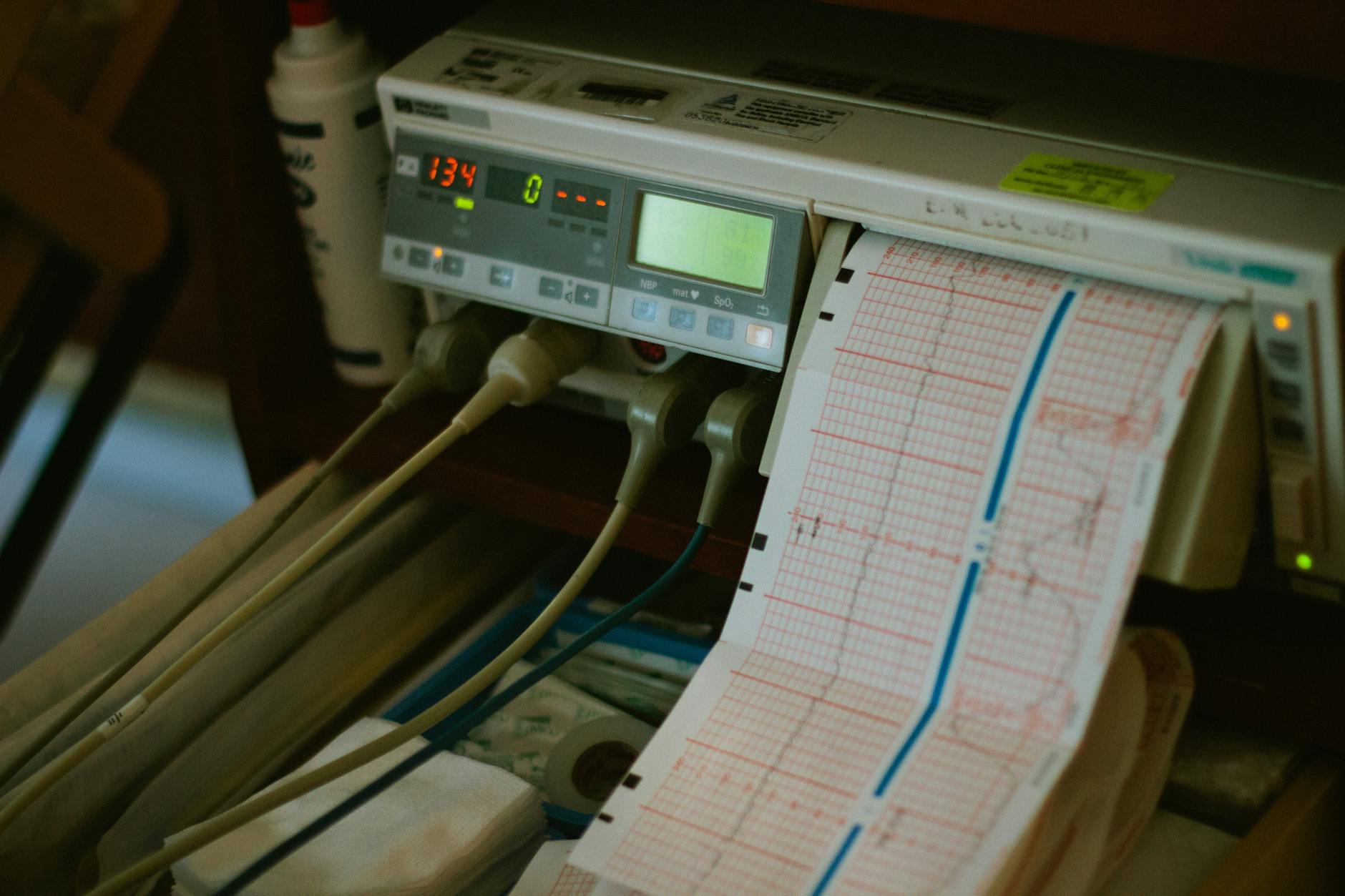
There were no clot-busting drugs. No stents. No bypass surgery. Defibrillators didn't exist in clinical use. The coronary care unit — the specialized intensive care ward that is now standard in any serious hospital — hadn't been invented yet. Doctors could monitor, they could manage pain, and they could hope. That was essentially the full toolkit.
The Breakthroughs That Changed Everything
What followed over the next five decades was one of the most compressed periods of medical progress in history, and it came in stages that each seem remarkable on their own.
The coronary care unit, introduced in the early 1960s, was the first major shift. By concentrating cardiac patients in monitored wards with trained staff and early defibrillators, hospitals began catching dangerous arrhythmias — irregular heart rhythms — that had previously been killing patients silently. Mortality rates started dropping almost immediately.
Bypass surgery arrived in the late 1960s. The procedure, which reroutes blood flow around a blocked artery using a vessel harvested from elsewhere in the body, was genuinely revolutionary. For the first time, surgeons could physically fix the underlying plumbing problem rather than simply waiting to see what happened.
Clot-busting drugs, known as thrombolytics, emerged as a major treatment option in the 1980s. These medications could dissolve the blood clot causing a heart attack if administered quickly enough — essentially stopping the attack in progress. The phrase "time is muscle" entered cardiology, capturing the idea that every minute of delayed treatment meant more permanent heart damage.
Balloon angioplasty and stenting then took the field further still. By threading a catheter through an artery and inflating a tiny balloon to open the blockage — sometimes reinforced with a small metal scaffold called a stent — cardiologists could restore blood flow without open-chest surgery. What once required a major operation and weeks of recovery could now be done through a small incision in the wrist or groin.
Where We Are Now
The numbers tell the story better than anything else. The in-hospital mortality rate for heart attacks in the United States today sits at roughly 5 to 6 percent — down from that 30 to 40 percent figure of the 1950s. That's not a modest improvement. That's a near-total transformation of outcomes for the same underlying medical event.
A patient who arrives at a modern hospital with a major heart attack — specifically the type called a STEMI, where a coronary artery is completely blocked — is now typically in a catheterization lab within 90 minutes of arrival, often faster. The blocked artery is opened, a stent is placed, and blood flow is restored. Many patients are discharged within three to four days. Some return to work within two weeks.
The six-week bed rest protocol hasn't just been abandoned — it's now understood to have been actively harmful. Current guidelines encourage light activity within days of a heart attack, because movement helps recovery.
The Part That Should Stop You Cold
Here's the detail that tends to land hardest: most of these breakthroughs are recent. Bypass surgery became widely available in the 1970s. Thrombolytics became standard in the 1980s. Stenting as a routine intervention didn't become common until the 1990s. The majority of the cardiac revolution happened within the lifetime of many Americans who are alive today.
Your grandfather's doctor in 1955 wasn't negligent. He was working at the absolute frontier of what human knowledge had produced. The tools simply didn't exist yet.
A Genuine Reason for Awe
Cardiovascular disease is still the leading cause of death in the United States. That fact can make the progress feel incomplete, and in some ways it is — prevention remains a massive challenge, and access to top-tier cardiac care is not equally distributed across the country.
But the distance traveled is extraordinary. The gap between a heart attack in 1950 and a heart attack in 2025 is not a matter of incremental refinement. It's the difference between a condition that frequently ended lives within days and one that millions of Americans survive, recover from, and move past.
The next time someone you know survives a heart attack and is back home within a week, that outcome rests on about 70 years of relentless medical problem-solving. It's worth knowing that. It's worth being amazed by it.