The Road That Almost Broke America — And How We Tamed It
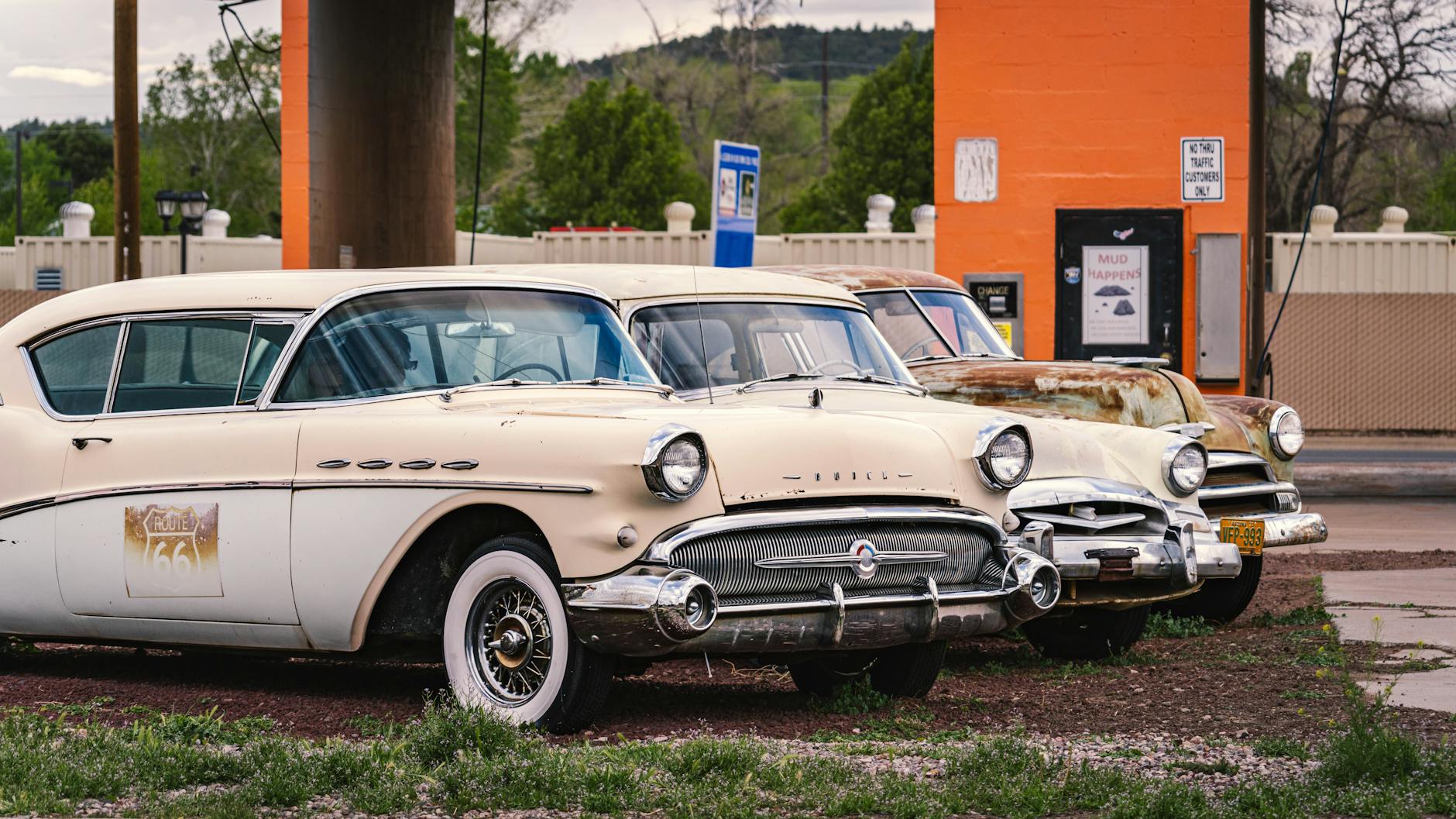
The Road That Almost Broke America — And How We Tamed It
Picture this: you've decided to drive from Chicago to Los Angeles. You've packed the car, said your goodbyes, and you're genuinely unsure whether you'll make it. Not because of traffic. Not because of weather apps predicting rain. But because the roads themselves might simply disappear beneath your wheels somewhere in the Oklahoma panhandle.
That was the reality of cross-country road travel in the 1920s and 1930s. And most of us have absolutely no idea how brutal it actually was.
Before the Highway, There Was the Dirt
When Route 66 was officially commissioned in 1926, it was celebrated as a breakthrough — a connected road linking Chicago to Santa Monica across nearly 2,500 miles. What the celebrations didn't fully advertise was that large stretches of it were unpaved. Drivers who set out on the famous highway weren't cruising through a modern travel corridor. They were bumping across packed dirt, gravel, and in wet weather, thick mud that could swallow a tire whole.
The average speed on these roads hovered around 20 to 30 miles per hour on a good day. Mechanical breakdowns were so common that experienced travelers packed spare parts as standard kit — extra fan belts, tire tubes, and basic tools weren't optional, they were survival gear. A blown tire in rural New Mexico in 1928 didn't mean calling roadside assistance. It meant fixing it yourself, in the heat, on the side of a road that might not see another car for hours.
Navigation was its own kind of challenge. GPS, obviously, didn't exist. Neither did reliable road signs across most of the country. Drivers relied on hand-drawn maps, guidebooks published by early automobile clubs, and the directions of locals who may or may not have known what they were talking about. Getting lost wasn't a minor inconvenience — it could add a full day to your trip.
How Long Did It Actually Take?
A cross-country drive in the late 1920s typically took three to four weeks, assuming no major mechanical failures and reasonable weather. Some accounts from early travelers describe the journey taking longer. John Steinbeck's The Grapes of Wrath, though fictional, drew directly from the real experiences of Dust Bowl migrants who traveled Route 66 in the 1930s — and for many of them, the road was punishing in ways that went far beyond inconvenience.
Accommodation along the way was improvised. Travelers camped beside the road in early "auto camps" — essentially open fields where drivers pulled over and pitched tents. The motel as we know it didn't really exist yet. Fuel stops were inconsistent, and running out of gas in a remote stretch was a legitimate risk that required planning fuel purchases many miles in advance.
The psychological weight of the journey was real. You weren't just going on a trip. You were committing to an expedition.
The Moment Everything Changed
The transformation didn't happen overnight, but it accelerated dramatically after 1956, when President Eisenhower signed the Federal Aid Highway Act into law. Eisenhower had been partly inspired by Germany's Autobahn system, which he'd seen during World War II, and partly by the logistical nightmare of moving military equipment across America's inadequate road network.
The Interstate Highway System that followed was one of the largest public works projects in American history. Over the following decades, more than 47,000 miles of controlled-access highways were built across the country — standardized, well-signed, and designed for sustained high-speed travel. Route 66, the old romantic highway, was gradually bypassed and eventually decommissioned in 1985, replaced by the efficiency of Interstates 40, 55, and others.
The Same Trip Today
Drive from Chicago to Los Angeles today and the numbers are almost absurd by comparison. The trip covers roughly 2,000 miles on the interstate. At a comfortable pace with normal rest stops, most drivers complete it in about 28 to 30 hours of actual driving time — typically spread across two or three days if you're not rushing.
Your phone tells you exactly where you are, reroutes you around traffic, and finds the nearest gas station when your tank hits a quarter full. Rest stops appear at regular intervals with clean facilities. Fuel is available in virtually every town. If something goes wrong with the car, you have roadside assistance a phone call away and a parts store within a reasonable distance almost anywhere in the lower 48.
The entire psychological experience of the journey has been transformed. What was once a genuine undertaking requiring preparation, mechanical skill, and a degree of courage is now, for most Americans, simply a long drive.
What We Gained — and What We Left Behind
There's something worth pausing on here. The early road travelers had something we've traded away in the name of efficiency: the full weight of the journey. When it took three weeks to cross the country, you actually felt the size of America. Every state was earned. Every mountain range was a genuine obstacle overcome.
Today, we can cross the continent in a weekend without breaking a sweat. That's an extraordinary achievement — one built on engineering, political will, and decades of infrastructure investment that most of us never think about when we merge onto the on-ramp.
The road didn't just get better. It got reimagined entirely. And the country that exists on the other side of that transformation is almost unrecognizable to the drivers who first pointed their Model Ts west and hoped for the best.