The Envelope That Held Your Future: When College Decisions Arrived by Mail and Families Waited in Agony
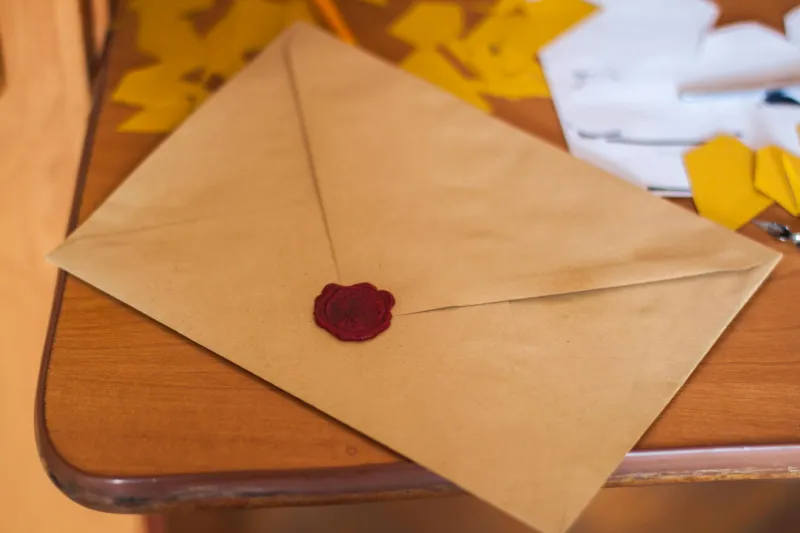
The Envelope That Changed Everything
There's a generation of Americans who can still remember the exact weight of a college acceptance letter in their hands. Not because they were particularly heavy, but because those thin or thick envelopes carried the weight of dreams, family expectations, and four years of high school effort condensed into a single moment of truth.
If you applied to college after 2005, you probably checked your admission status online, maybe got an email, or logged into a portal that revealed your fate with clinical digital efficiency. But for decades before that, your future arrived through the U.S. Postal Service, and the entire experience was a masterclass in delayed gratification and sustained anxiety.
The Silence That Lasted Forever
Today's college applicants live in a world of constant updates. They get confirmation emails when their application is received, notifications when materials are processed, and real-time status updates throughout the review process. They might even get interview requests or requests for additional information that give hints about their chances.
But from the 1960s through the early 2000s, you mailed your application and then... nothing. Complete radio silence for four to six months. No confirmation that it arrived safely. No updates about the review timeline. No way to check if your transcripts made it or if your recommendation letters were included. You just had to trust that everything worked and then wait.
The application itself was a physical object—multiple pages of forms that had to be typed or written by hand, with no spell-check or auto-correct. One mistake meant starting over completely. Photos had to be physically attached. Essays were typed on actual typewriters or written in careful handwriting. The whole package was mailed with fingers crossed that it would arrive intact.
The Mailbox Vigil
As spring approached, families developed elaborate rituals around mail delivery. Parents would race home during lunch breaks to check the mailbox. Students would sprint from the school bus to beat their parents home, either to grab good news first or to delay bad news for a few hours.
The mailman became the most important person in your neighborhood. Families would lurk by windows around 2 PM, watching for the familiar uniform. Some students befriended their mail carriers, hoping for advance intelligence about thick or thin envelopes.
There was genuine folklore around envelope thickness. Thick envelopes meant acceptance letters with enrollment forms and campus information. Thin envelopes meant rejection letters—usually just a single page of polite disappointment. Students could sometimes guess their fate just by feeling the envelope through the mailbox slot.
The Kitchen Table Ceremony
When the envelope finally arrived, it rarely got opened immediately. Instead, it would sit on the kitchen table like a small bomb while the family gathered. Parents would call each other at work. Siblings would be summoned. Sometimes grandparents would drive over.
The actual opening became a ceremony. Some families said prayers. Others made speeches about how they were proud regardless of the outcome. Many took photos of the unopened envelope—the last moment before everything changed.
Then came the moment itself: careful opening (you didn't want to tear the letter), unfolding the paper, and reading the first sentence out loud. "We are pleased to inform you..." meant celebration. "We regret to inform you..." meant consolation hugs and discussions about backup plans.
The Emotional Rollercoaster
The emotional intensity of this process is hard to convey to people who lived through the digital transition. Today's applicants experience a steady drip of information—some schools release decisions early, others send likely letters, and social media provides constant updates about who's hearing what when.
But the mail-based system created months of sustained tension followed by sudden, dramatic resolution. Students would go weeks thinking they had a chance at their dream school, only to have those hopes crushed in a single moment. Or they'd spend months convinced they wouldn't get in anywhere, only to receive a thick envelope that changed everything.
Families planned their spring schedules around expected decision dates. April became a month-long emotional minefield where any trip to the mailbox could bring life-changing news.
The Multiple School Strategy
Applying to multiple schools was more complicated when everything happened by mail. Each application required separate forms, separate essays, and separate application fees paid by check. There was no Common Application that let you apply to dozens of schools with one submission.
Most students applied to three to five schools maximum, partly because of the cost and effort involved, but partly because managing the emotional stakes of more than that was overwhelming. Imagine waiting for twelve different envelopes to arrive over six weeks, each one potentially changing your entire future.
Families developed spreadsheets to track application deadlines, expected decision dates, and which schools they'd heard from. The refrigerator became mission control, covered with calendars marking when different schools typically sent decisions.
The Phone Call That Broke the Rules
Occasionally, students would try to call admissions offices for updates, but this was generally discouraged and rarely successful. Admissions staff would politely explain that decisions would arrive by mail and there was no way to check status by phone.
Some students developed elaborate theories about timing—that acceptances came first, or that rejections were sent in alphabetical order, or that certain days of the week were better than others. None of it was true, but it gave families something to analyze during the endless waiting.
The Digital Revolution
The transition to online decisions happened gradually in the early 2000s, and it fundamentally changed the entire experience. Suddenly, students could check their status at any time. The dramatic envelope-opening ceremony was replaced by nervous clicking on password-protected portals.
Some schools tried to preserve the tradition by still sending physical acceptance packages, but the surprise element was gone. By the time the envelope arrived, you'd already known for days or weeks.
What We Gained and Lost
The efficiency gains of digital admissions are obvious. Students can apply to more schools more easily. They get faster decisions with less anxiety. The process is more transparent and accessible.
But something was lost in the transition. The physical letter had weight and permanence that a screen notification lacks. The family ceremony around opening acceptance letters created shared memories that lasted decades. The forced patience of waiting months for decisions, while stressful, also built character and taught delayed gratification in a way that instant digital feedback doesn't.
The Last Generation
Students who applied to college in the late 1990s and early 2000s were the last to experience this purely analog process. They waited by mailboxes, gathered around kitchen tables, and had their futures revealed through paper envelopes delivered by people who had no idea what they were carrying.
For them, college acceptance wasn't just a digital notification—it was a physical object they could hold, a moment they could photograph, and a story they could tell for the rest of their lives. The envelope itself became a keepsake, saved in scrapbooks alongside graduation photos and wedding invitations.
Today's process is undeniably better in almost every practical way. But those envelopes represented something that's hard to replicate digitally: the weight of possibility, the ceremony of revelation, and the shared family experience of opening a door to the future.