After Hours in America: How Sick Kids and Weekend Fevers Went From Family Emergencies to Quick Errands
The Saturday Morning Panic
Every parent who lived through the 1980s and 1990s remembers the specific dread that came with a child's fever spiking on a Friday evening. Your family doctor's office was locked tight, the answering machine delivered its predictable message about calling back Monday morning, and you faced an impossible choice: tough it out until business hours or brave the hospital emergency room for what might be nothing more than a common cold.
This wasn't just inconvenient—it was genuinely frightening. Parents spent sleepless nights monitoring temperatures, consulting dog-eared copies of Dr. Spock, and making judgment calls that felt far too important for civilian decision-making. The family medicine cabinet became a fortress of hope, stocked with whatever over-the-counter remedies might bridge the gap until professional help returned.
When Doctors Disappeared Into the Night
The American healthcare system operated on banker's hours for most of the 20th century. Family physicians maintained practices that reflected a different era—one where house calls were still common memory and the doctor-patient relationship carried an almost pastoral quality. These practitioners knew three generations of families, but they also jealously guarded their evenings and weekends.
After-hours care meant one of two extremes: either your doctor was the rare saint who gave out his home phone number (and you'd better be dying before you used it), or you joined the masses at the nearest emergency room. Hospital ERs in those days weren't designed for the worried parent with a feverish toddler—they were trauma centers where genuine emergencies competed with increasingly frustrated families seeking basic medical attention.
The wait times were legendary. Six hours in a fluorescent-lit waiting room, surrounded by genuinely sick people, just to have someone confirm that yes, your child had an ear infection that could have been diagnosed and treated in fifteen minutes during normal business hours.
The Urgent Care Revolution
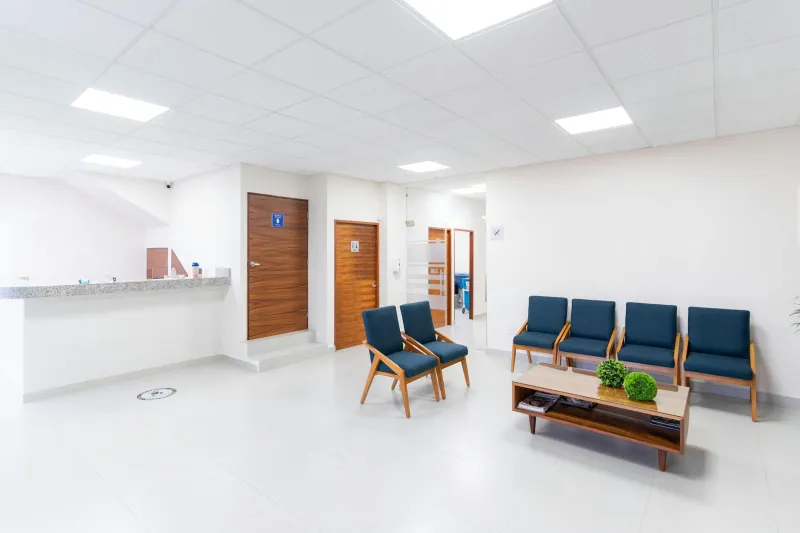
Somewhere in the late 1990s and early 2000s, American healthcare discovered a middle ground that seems obvious in retrospect but felt revolutionary at the time. Urgent care centers began sprouting up in strip malls and former retail spaces, offering something unprecedented: professional medical care without an appointment, outside traditional hours, and without the chaos of an emergency room.
These weren't quite hospitals and they weren't quite doctor's offices—they were something entirely new. Staffed by nurse practitioners, physician assistants, and doctors who specialized in handling the everyday medical dramas that used to derail entire weekends, urgent care centers promised to see you within an hour for everything from strep throat to minor injuries.
The transformation was swift and complete. What had been a genuine family crisis—a sick child on Saturday morning—became a minor inconvenience requiring maybe two hours out of your day.
The Digital House Call
Then technology pushed the boundaries even further. The smartphone revolution that changed everything else also revolutionized after-hours healthcare. Apps like Teladoc, MDLive, and dozens of competitors began offering something that would have seemed like science fiction to parents in 1985: a doctor's visit through your phone, available 24/7.
Today's parent dealing with a feverish child at midnight has options that previous generations couldn't have imagined. Video consultations with board-certified physicians, prescription medications sent directly to 24-hour pharmacies, and medical advice delivered faster than pizza. The virtual house call returned, transformed by technology into something more convenient than the original ever was.
Even traditional healthcare providers adapted. Major health systems now offer their own telehealth platforms, and many family practices provide after-hours virtual consultations for their established patients.
The New Normal
The contrast is startling when you step back and consider it. A parent today dealing with a child's sudden illness has immediate access to professional medical advice, multiple options for in-person care, and the reasonable expectation that minor health problems can be resolved quickly, regardless of the day or time.
We've gone from a healthcare system that essentially closed on nights and weekends to one that never sleeps. The urgent care center has become as common as the coffee shop, and medical advice is available on demand through devices we carry in our pockets.
This shift represents more than just convenience—it's a fundamental change in how Americans think about healthcare access. The idea that you might have to suffer through a medical problem for days because of timing now seems almost primitive. We've raised an entire generation that expects healthcare to be available when they need it, not when it's convenient for providers.
The weekend medical emergency that once defined family crisis management has become just another item on the errands list, handled between grocery shopping and soccer practice. It's a quiet revolution that transformed one of parenthood's most anxiety-inducing challenges into a routine inconvenience.